 elmateco
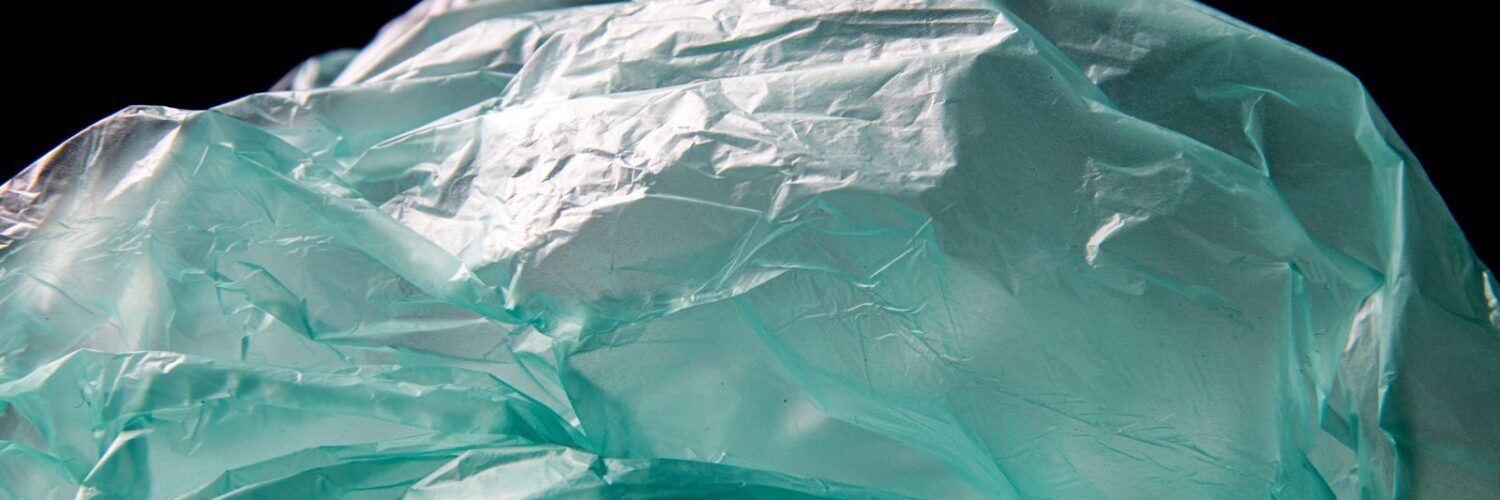
Argentine researchers have developed a biodegradable plastic made from two of the country’s most iconic crops: cassava (mandioca) and yerba mate. The material, created at the University of Buenos Aires (UBA) in collaboration with Argentina’s National Scientific and Technical Research Council (CONICET), fully decomposes in soil in just five weeks — compared to the 100 to 500 years conventional plastic can take to break down.
How It’s Made
The bioplastic is developed at UBA’s Laboratory of Polymers and Composite Materials, led by CONICET researcher Lucía Famá. The research team — which also includes physics thesis student Natalia Hermoso and doctoral researchers Leiza Fernández and Julieta Pajoni — combines cassava starch with natural plasticizers, then processes the mixture through an extruder to create thermoplastic strands. Those strands are then shaped into flexible films using a hydraulic press and heat, closely mirroring the manufacturing process used by the conventional plastics industry — but with a completely different, plant-based raw material at its core.
Why Yerba Mate?
Yerba mate derivatives are incorporated into the cassava starch base to help create a flexible film suited for food packaging. Beyond its role in the material itself, using yerba mate and cassava adds economic value to two crops with deep roots in the regional economies of northeastern Argentina — particularly Misiones, the country’s leading yerba mate producer, and neighboring provinces like Corrientes and Formosa, which also have strong cassava production.
The Environmental Stakes
The world produces more than 400 million tons of plastic every year, and only about 10% of it is recycled. Most conventional plastic waste lingers in the environment for centuries. “A conventional plastic film takes between 100 and 500 years to degrade; this one takes just five weeks in soil, within a composting system,” said Pajoni, one of the researchers on the project.
What’s Next
The material is being developed primarily for food packaging applications, and researchers see it as part of a broader effort to replace petroleum-based plastics with renewable, domestically sourced raw materials — turning two everyday agricultural products into a new source of economic opportunity for the communities that grow them.
Yerba mate’s applications keep expanding well beyond the gourd — from neuroprotective research at CONICET to now sustainable packaging. Curious about the traditional side of yerba mate? Learn how to make yerba mate the traditional way, or explore the different types of mate gourds used to drink it.
Sources: BAE Negocios, Bichos de Campo, La Voz de Misiones, Canal 12 Misiones, Radio Cataratas.CIENTÍFICAS DE LA UBA DESARROLLARON UN SUSTITUTO AL PLÁSTICO HECHO CON MANDIOCA 🌿 Cada año se producen más de 400 millones de toneladas de plástico en el mundo. Solo se recicla el 10%. El resto tarda décadas en degradarse, o nunca lo hace. pic.twitter.com/q2oUHqcF2j
— UBAonline (@UBAonline) July 23, 2026